Longevity in Stories
After New Year celebrations, many people notice a sudden drop in energy—as if their vitality has quietly disappeared. During the holidays, we eat freely, socialize intensely, sleep less, and expose ourselves to constant stimulation. This isn’t a lack of discipline, and it doesn’t mean something is “wrong” with you. It’s pure biology. Sugar, refined foods, alcohol, late nights, and social excitement strongly stimulate dopamine, the brain’s reward chemical. When the festivities end, that stimulation abruptly stops, and the brain experiences a temporary dip. The result is low energy, mental fog, reduced motivation, and emotional flatness—often amplified by sleep deprivation, which reduces dopamine receptor sensitivity and makes everyday tasks feel heavier than they should.
The good news is that the brain recovers quickly when you support it properly. In the first two to three days, simplify your inputs. Prioritize high-quality protein such as meat or eggs, increase vegetables, and cut sugar and refined carbohydrates decisively. This allows the brain’s reward system to recalibrate. Strategic intermittent fasting—even a gentle 14–16 hour overnight fast—can accelerate this reset by improving insulin sensitivity, enhancing metabolic flexibility, and restoring dopamine receptor responsiveness. Unsweetened black coffee or green tea can help, but electrolytes are often overlooked. When carbohydrate intake drops, insulin falls and the body excretes more sodium, which can worsen fatigue. A small amount of mineral-rich salt in water or a cup of bone broth can make a noticeable difference.
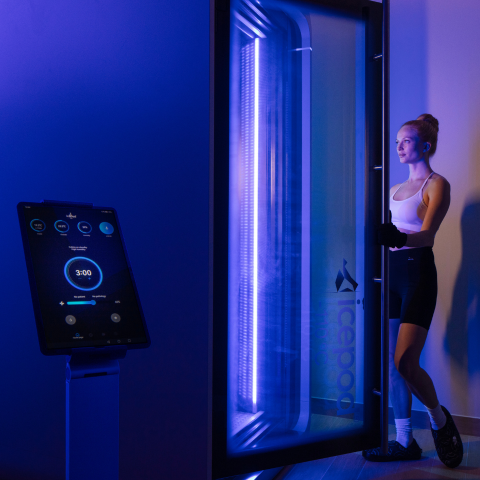
Cold exposure, especially through cold showers, is one of the simplest and most effective tools to rapidly restore alertness and mental drive. Brief cold exposure triggers a surge in norepinephrine and dopamine, improving focus, mood, and stress resilience without the crash associated with stimulants. Starting with 30–60 seconds of cold water at the end of a shower is enough to activate the sympathetic nervous system, enhance circulation, and send a clear “wake-up” signal to the brain. Done consistently, cold showers train the nervous system to tolerate discomfort, improve emotional regulation, and build mental resilience—key traits for long-term longevity.
Movement is the next critical lever. Exercise, particularly brief high-intensity or resistance-based sessions, acts as a powerful biological signal that restores motivation and clarity. Even short bouts of strength training or interval-style movement upregulate dopamine receptors, increase endorphins, and stimulate brain-derived neurotrophic factor (BDNF), supporting long-term brain health. Complement this with daylight exposure through outdoor walking, which helps stabilize serotonin during the day and melatonin at night, improving sleep quality and recovery.
Equally important is mindset. Be direct with yourself: “This is a transition phase—it will pass.” Avoid high-risk dopamine triggers such as compulsive online shopping, endless short-form videos, or thrill-seeking behaviors, as they prolong the rebound. Feelings of boredom, low mood, or mild loneliness during this phase are not signs of psychological damage; they are normal neurochemical adjustments. With proper habits, these symptoms usually improve within 48–72 hours. A strong New Year doesn’t begin with force; it begins with understanding how your brain and body naturally restore balance.